CO-HABITATION OF THE RIGHTEOUS AND SINNERS
HOMILY FOR SIXTEENTH SUNDAY, YEAR A.
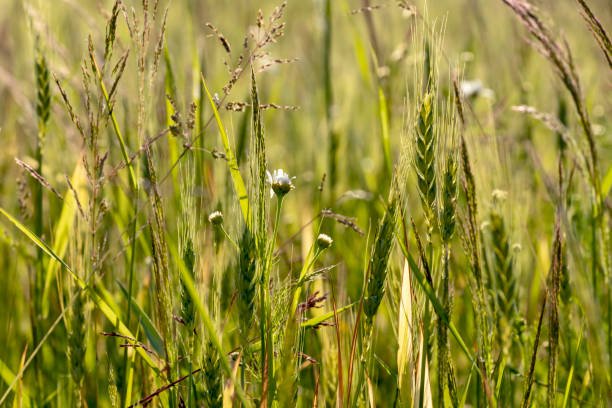
The Church draws our attention to the Lord, the Just Judge who allows the wheat and weeds to grow together, and through his mercy calls us to his kingdom.
In the first reading, the Book of Wisdom presents to us the themes of justice and God’s mercy. God in his justice shows us mercy, and we must do the same to others. Just as the Lord is kind in his judgment to us, he has taught us that the righteous man must be kind to his fellow man. Practically, wisdom calls us to emulate the sense of God’s judgment as seen in the gospel.
Christ in the Gospel narrates three parables to express God’s judgment and the nature of the kingdom of God. He narrates the parable of the wheat and weeds, the parable of the mustard seed and the parable of the leaven (yeast). The parable of the wheat and weeds deals with the problem of bad among the good in the world (v.38). Put differently, it deals with the coexistence of Good and Evil: it tells us that the kingdom must contend with evil all around it, and that God permits evil and good to co-exist until the end.
It brings to mind spiritual warfare, depicting the ongoing battle between Good and Evil and illustrating the enemy's strategies to sow deception and hinder the growth of God’s kingdom. We see the struggle between hardworking citizens labouring alongside the lazy ones; honest civil servants work beside those who embezzle public funds; in church, sincere worshippers sit next to hypocrites who exploit religion for personal gain; even in commerce, genuine traders operate in the same markets as those who sell adulterated products and fake drugs. From this parable, Christ wants us to understand that we can be among sinners without conforming to the world; we can be among the institutions in the nation without being part of its corrupt practices, and the righteous must continue in this battle.
Allowing the dangerous weeds to co-habit or co-exist with the wheat expresses God’s patience and mercy for sinners to repent, which is the hope wisdom refers to because “God gives repentance for sins” and prepares all for a great harvest, which is judgment, where both will be separated. This parable expresses how God, the just and merciful judge, acts kindly with all his creatures. We are expected to be patient with each other.
The parable of the mustard seed and the parable of the leaven (yeast) illustrate the small or humble beginning and transformative power of God’s kingdom. We are like the mustard seed planted in the world, with the slow growth of God’s kingdom. We are also like the leaven, without anyone knowing how; the leaven goes about working silently until the whole mass is fermented. The parables challenge us to reflect on our hearts, choices, and potentials hidden within seemingly small aspects of our existence. Small acts of faith, love and kindness can have a significant impact when nurtured. They invite us to acknowledge our imperfections, nurture the good within us and strive for spiritual growth.
Fr. Ken Dogbo, OSJ
What's Your Reaction?