THE UNPRODUCTIVE VINEYARD
HOMILY FOR TWENTY-SEVENTH SUNDAY, YEAR A.
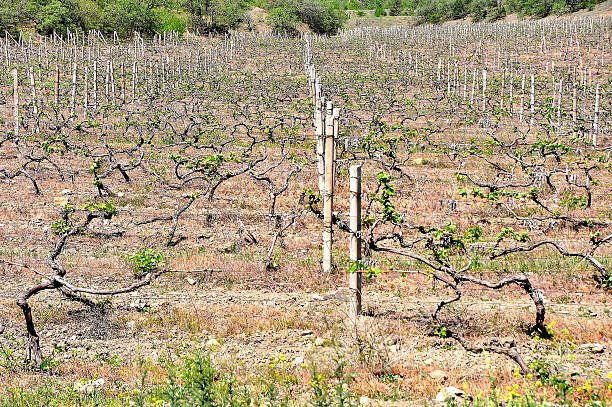
The liturgy for the past two Sundays has practically centered on the vine and the vineyard. These vineyards weren’t just sources for fruits and wine; they symbolized the relationship between God and his people.
In the first reading, the prophet likened Israel to the vineyard tended by the Lord. The poetic song describes God’s nurturing efforts and Israel’s shortcomings, represented by the metaphor of ‘wild grape,’ a symbol of sin. God prepared the ground carefully (dug it up and cleared out its stones); planted with good stock, the choicest vine and the vineyard was protected with a watchtower. Provision for winepress was made to process the fruit. With all this, God was disappointed with the vineyard's fruit. Invariably, the wild grapes the vineyard produced were bitter, foul-smelling, and poisonous. This vineyard, Isaiah tells us, is the house of Israel, and so, God expected justice from Israel, but behold, bloodshed; he expected righteousness, but behold, a cry.
God has given us all it takes to be fruitful: he has given us his grace; he has given us his Spirit, and he has given us His Son. What else do we want from God to be fruitful in his vineyard? We are urged to cooperate with the grace of God and His Spirit that has been given to us, not to be passive Christians but active and fruitful.
Christ in the gospel used the same image of the vineyard in the parable of the wicked tenants. He addressed this parable to the chief priests and elders of the people, known as the religious leaders, for their failure to produce good fruit and rejecting God’s prophets. He portrays them as the wicked tenants who, instead of rendering a good account, decided to overthrow the landlord or householder.
The parable also helps us to examine ourselves on occasions when we have rejected God and his teachings; it portrays the judgment and justice of God on those who will reject Christ, those who will again crucify him by wickedness, bitterness, envy, anger, lies, hatred and all sorts of evil acts. The vineyard is a metaphor for the blessings and responsibilities God entrusts us with. Just as the tenants were expected to cultivate and tend the vineyard, we are called to nurture and be stewards of the gifts bestowed upon us. If we fail in this aspect, He will lease the vineyard to other tenants who will give him fruits in their seasons. These fruits, St. Paul made it clear in the second reading: “Whatever is true, honorable, just, lovely and gracious should be our words and actions” (Phil. 4:8).
God chose us as his vineyard, and He has given us everything needed to look after the vineyard; He has given us baptism, he has filled us with his Spirit, and he keeps giving us himself as a living sacrifice in an unbloody manner. Let us, like the Israelites realize that the poetic song is not really about the vineyard, but about us, our sins and judgment. If we have been producing soured fruit, it is time to say like the Psalmist, “Lord God of hosts, bring us back; let your face shine on us and we shall be saved” (Ps 80:19).
Fr. Ken Dogbo, OSJ
What's Your Reaction?